


Why Secure Printing Matters More Than Ever in South Africa
September 7, 2026Categorised in: Blog
Document fraud and counterfeiting remain serious risks for South African businesses, even as traditional forgery declines and synthetic identity scams surge. This guide explains how secure printing with tamper-evident features protects your brand, ensures compliance, and reduces business risk.
Here is what you will learn:
- What secure printing means for SA businesses.
- How tamper-evident features prevent fraud.
- Which documents require security printing.
- Compliance benefits under POPIA and industry standards.
Document fraud and counterfeiting are huge risks for South African businesses, events, and institutions. While traditional forgery trends tend to shift over time, synthetic identity scams and data-driven fraud are rising fast across the continent.
For organisations handling sensitive documents, financial instruments, branded materials or regulated information, basic commercial printing is no longer an option.
Uniprint Global supplies comprehensive print solutions, including secure printing, for institutions and corporate clients across Africa. Our tamper-evident document solutions help protect your business, reduce fraud risk, and support regulatory compliance.
What Is Secure Printing and Why Does It Matter?
Secure printing uses specialised production techniques to make documents far harder to copy, forge, or alter without being detected.
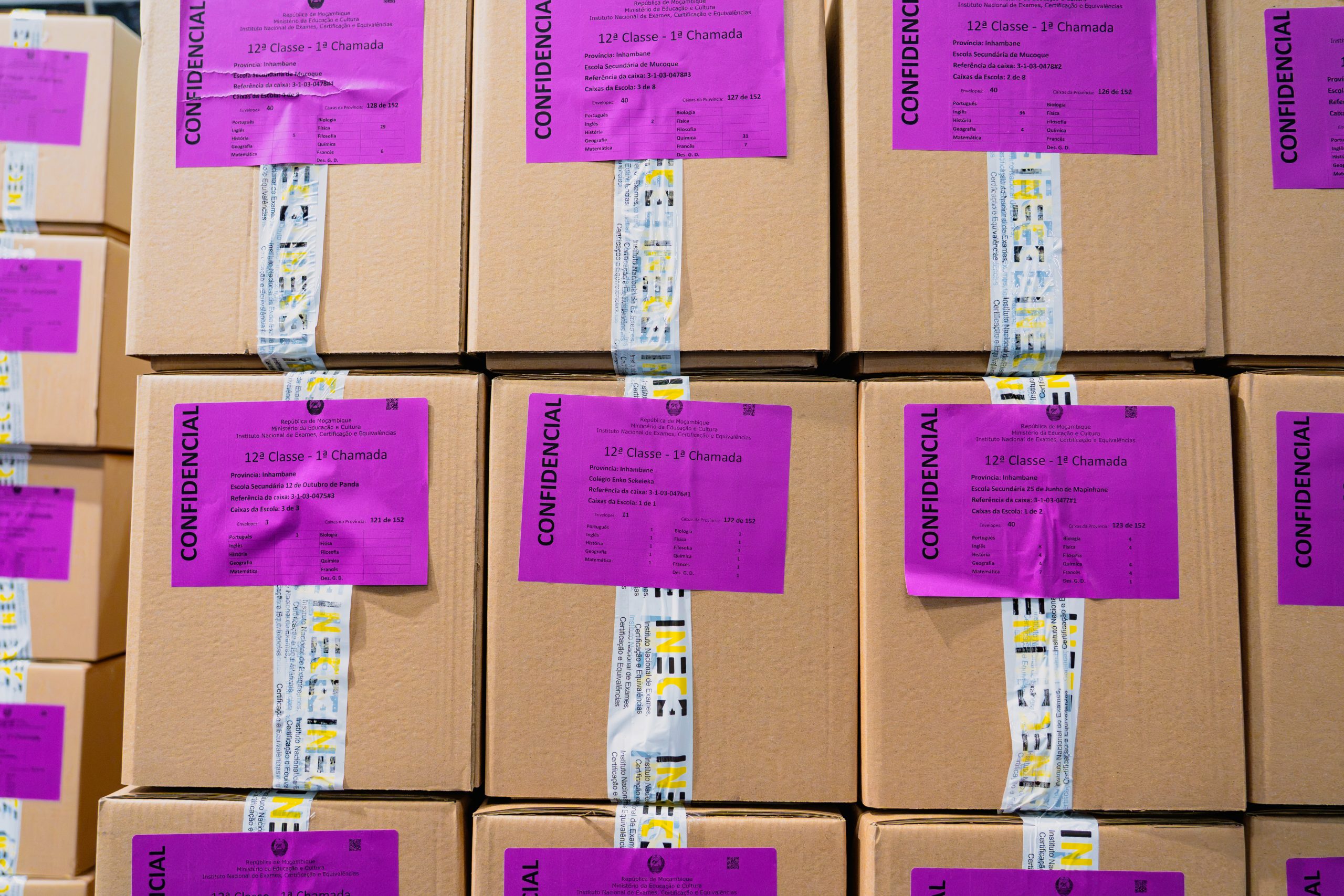
For high-risk materials, this often means adding several layers of physical protection, such as watermarked paper, holographic foils, UV-reactive inks, microtext, heat-sensitive inks and numbered security seals. Together, these features create barriers that ordinary photocopiers, scanners, and digital printers cannot easily reproduce.
In South Africa, older identity documents have been flagged as especially vulnerable to fraud, which is one of the reasons the move toward smart ID cards has become so important. Even as digital threats continue to evolve, physical security features remain a practical and highly effective way to protect sensitive documents.
How Does Tamper-Evident Printing Work?
Tamper-evident printing makes it easy to see when a document, label, or seal has been interfered with. If someone tries to alter a transactional document or remove a secure label, the material may reveal a visible “VOID” pattern, change colour permanently, or show clear signs of physical damage.
This kind of visible evidence helps stop fraud before it causes financial loss or affects the trust your customers place in your brand.
At Uniprint Global, we support this with controlled production processes, unique serialisation codes and full traceability from production through to delivery. These measures help protect South African clients in sectors such as finance, logistics, government, and education, where document integrity is critical.
Which Documents Need Security Features?
Not every printed page requires forensic-level protection. However, if a document carries monetary value, personal data, or official status, we highly recommend a layered security approach.
Minimum Security Recommendations by Document Type:
- Financial records (Payslips, Bank PIN Mailers, Cheques, Secure Vouchers): These require microtext, UV-reactive inks, and tamper-evident sequential numbering to prevent unauthorised duplication and protect sensitive account data.
- Certification and transport (Exam Papers, University Degrees, Transit Tickets): These require unique watermarked paper and holographic foils so employers, academic bodies or inspectors can verify them instantly by eye.
- Government forms (Election Ballots, Licensing Discs): These require full chain-of-custody tracking, complex security backgrounds, and heat-sensitive inks to ensure total systemic integrity.
- Retail and promotional materials (Scratch Cards, Discount Coupons): These require scratch-off security layers, unique serialisation, and anti-candling properties to prevent mass replication and protect your campaign’s ROI.
The Need for POPIA Compliance and Physical Records
The Protection of Personal Information Act (POPIA) requires businesses to protect printed personal information with the same level of care as digital data. Secure printing helps support this by limiting access to authorised personnel, creating clear audit trails throughout production, and reducing the risk of sensitive information being exposed.
How We Are Securing African Operations
We know that theory is very different from operational reality. When our team manages election ballot production for African markets, every stage is carefully controlled. We use unique serialised security codes and maintain full chain-of-custody tracking from the printing press through to delivery at polling stations.
Our financial sector clients rely on the same level of care for secure PIN mailers. These are produced with specialised peel-back sections and security adhesives designed to withstand heat, handling, and the demands of regional logistics, helping to keep sensitive information protected in transit.
As a Printing SA-accredited manufacturer aligned with ISO 14298 security printing standards, Uniprint Global follows strict operating procedures for sensitive document production. This gives clients confidence that their materials are produced in a controlled environment, with audited processes, staff clearances, and restricted physical access in place.
Protect your business and your customers with secure printing solutions that meet South African regulatory standards. Visit our contact page today to discuss tamper-evident documents, security vouchers and customised printing designed for your specific needs.
Frequently Asked Questions
1. What is secure printing and how does it prevent fraud?
Secure printing uses specialised features such as watermarks, UV-reactive inks, microtext, holographic foils and serialisation to make documents more difficult to copy, alter or forge. Tamper-evident features can also reveal visible signs of interference, helping businesses identify when a document has been compromised.
2. Why use secure printing in South Africa?
Secure printing in South Africa helps organisations protect documents that contain sensitive information, carry monetary value or require proof of authenticity. It can reduce the risk of document fraud and unauthorised duplication while helping businesses maintain the integrity of financial, educational, government and commercial documents.
3. How does physical document security relate to POPIA?
POPIA applies to personal information processed in physical as well as electronic formats. Businesses therefore need appropriate safeguards for printed records containing personal information. Controlled printing processes, restricted access and secure handling procedures can form part of an organisation’s measures for protecting physical records.
4. What types of documents need secure printing?
Documents that contain personal information, have monetary value or serve as official proof may benefit from secure printing. Examples include payslips, PIN mailers, cheques, vouchers, examination papers, university certificates, transit tickets, licensing documents, ballots, scratch cards and promotional coupons.
5. What are the most common security features used in secure printing?
Common security printing features include watermarked paper, holographic foils, UV-reactive inks, microtext, heat-sensitive inks, serial numbers, security seals and complex background patterns. Multiple features can be combined to make authentication easier and unauthorised reproduction more difficult.
6. What is tamper-evident printing?
Tamper-evident printing uses materials or security features designed to show visible evidence when someone attempts to remove, open or alter a document, label or seal. Depending on the application, interference may reveal a VOID message, cause permanent colour changes or leave visible physical damage.
7. How can businesses verify that a secure document is genuine?
Businesses can verify secure documents using visible or machine-readable security features. These may include holograms, watermarks, serial numbers, UV-reactive elements, microtext and other authentication features. Using several security layers provides multiple ways to check whether a document is genuine.
8. Which industries use secure printing in South Africa?
Secure printing is relevant to industries and organisations that handle valuable, confidential or regulated documents. These include financial services, government, education, transport, logistics, retail and organisations issuing certificates, vouchers, tickets or other documents requiring authentication.